Case Study
How NexaBiome Life Sciences is fighting antimicrobial resistance from the West of Scotland Science Park
Antimicrobial resistance is one of the biggest threats to global health. As bacteria becomes increasingly resistant to antibiotics, researchers are racing to find new ways of treating infections.
NexaBiome is one of the companies leading that search.
Spun out of the University of Strathclyde, the company is developing a new generation of treatments based on bacteriophages – naturally occurring viruses that kill bacteria – from its base at the West of Scotland Science Park.
Using phages to fight infections
NexaBiome’s work is driven by the understanding that antibiotics don’t work as well as they used to and new treatments are needed to fight infection.
“We’re looking at new ways to kill antibiotic-resistant bacteria,” Jason Clark, the NexaBiome CEO, explains. “We're not saying we are trying to replace all of the existing treatments, we are developing products that can work by themselves but can also be used alongside current therapies to make them work a bit better or restore lost functionality.”
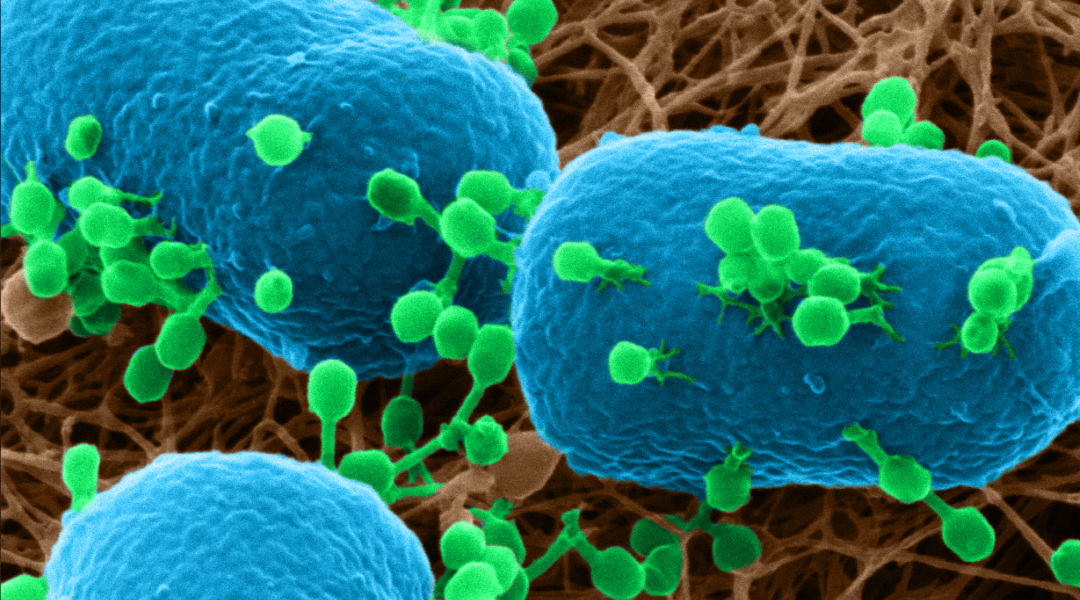
NexaBiome is doing this by using bacteriophages – or phages for short. These are viruses that infect and kill bacteria.
“They're natural, they're made of proteins and DNA, and they're efficient at killing bacteria. The number of phages carried by the average person outnumbers the number of human cells by a factor of 100:1, and every two days, half the bacteria on the planet are killed by phages.”
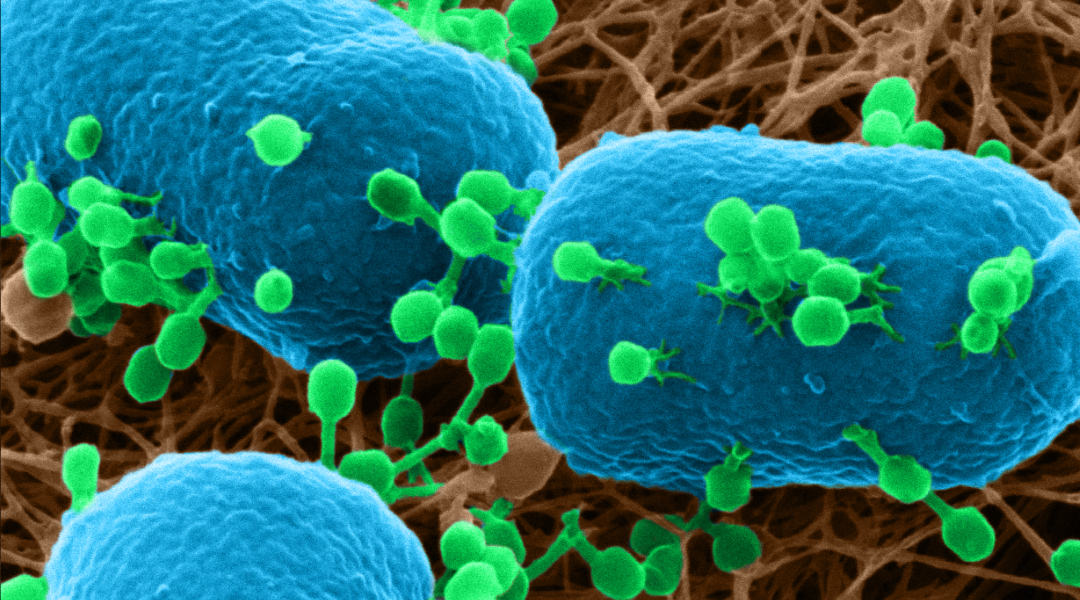
Being organic, phages have certain drawbacks, like being less stable than antibiotics and only targeting specific bacteria. However, it also means they don't wipe out “good” bacteria, such as those found in a healthy gut.
“A phage will just take out the ones you want it to take out and leave everything else intact.”
By harnessing nature's own bacteria-killers, and stabilising them, NexaBiome is offering a targeted, natural solution to help fight against antimicrobial resistance.
From university spinout to focused biotech
NexaBiome Life Sciences’ recent progress has been driven by its clear, single-minded focus.
“We've been pragmatic in trying to keep things simple. While we could target many different infections, a singular focus lets us progress quickly towards the clinic and start helping people as soon as possible.”
The company started life as a spinout from the University of Strathclyde in 2010, working from an old college building next to Queen Street Station in Glasgow. It now employs 13 people, with more hires planned this year.
After getting involved in various projects, NexaBiome went through a corporate restructuring in May 2025 and is now focused on commercialising a single product: a room-temperature-stable wound dressing for diabetic foot infections.
Used alongside standard antibiotic care, the dressing aims to reduce the number of infections and prevent the amputations that remain the last resort when infections don't clear.
“Diabetic Foot Infections are a huge problem, costing the NHS around £1 billion every year. Even if we did nothing other than make this treatment available, it would still have a profound effect on the health of people in the UK and beyond. But we do also have a platform technology, which means that once we have our first product out, others should soon follow.”
Why the West of Scotland Science Park?
Having outgrown its original home at the University, NexaBiome searched across Glasgow for a new space, visiting several sites before choosing the West of Scotland Science Park in 2017.
“The space was what we needed, the timing worked out, and the cost was good, so we took it on. There was really nowhere else that came close to the space and resources provided at the West of Scotland Science Park.”
Over the years, NexaBiome has taken on more space and with Speyroc’s support, have fitted this out and brought it up to the standard required to support its strict operating standards.
“We already have ISO 9001 certification and we're going through ISO 17025. We'll have two strict ISO certifications, and it's a reflection on both the Company and the Park that we have been able to get those in place.”
Beyond meeting certifications, the team benefit from its proximity to the city, the Park’s leafy environment, and having an on-site developer Speyroc on hand to help with fit-outs and fixes.
“Things get done, it’s just really nice place to work and we’ve got a good relationship with Speyroc.
“And as soon as you come in those gates, it’s so close to the city centre, but it just feels like you are out in the country.”
Finding funding for the next phase of growth
NexaBiome's near-term priority is funding. The company is looking to raise £4 million to carry it through pre-clinical development over the next two years and take it to the stage of being ready for a clinical trial.
“We know who's going to make the phages for the trial. We know who's going to do the pre-clinical toxicology work. We know who's going to run the trial for us. We've still got gaps to fill in, and it won’t be easy, but we have all the plans we need in place to take us to the point of having a product tested and ready to use.
“We recently met with the UK regulators and got in-principal approval for our clinical trial, so compared to most companies at our stage, we have a very well-developed plan containing relatively few big risks.
“Developing human healthcare products is always expensive and time-consuming but our novel clinical trial design will hopefully make things much faster and more efficient.”
A long-term vision for antimicrobial resistance
NexaBiome's mission is clear: using nature’s bacteria killers to fight infections and tackle antimicrobial resistance.
“We actually add function back to antibiotics that weren't working before.”
It's an ambitious, novel path, but one NexaBiome believes is worth taking.
“This is a difficult thing we are doing but we are in a great position to succeed, and the potential rewards both financial and in terms of human health are huge.
“We have a lot of work to do but we have a dedicated team and it’s the potential to actually do some good and help people that keeps us going.”
The West of Scotland Science Park is proud to support NexaBiome at this pivotal stage, providing a base for the innovation, growth and long-term impact the company is working towards.